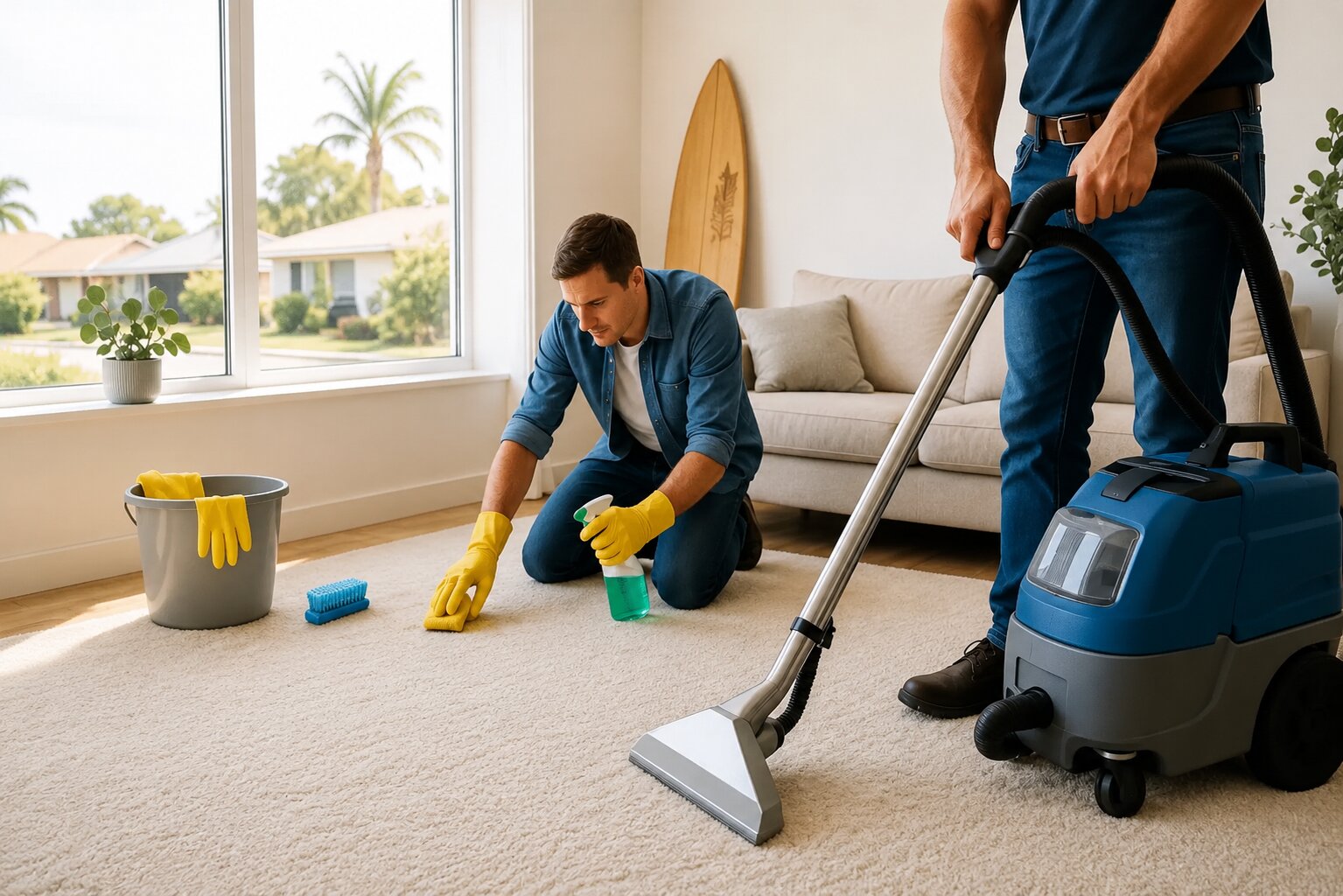
A day at the beach is one of the simple pleasures of living on the coast, but the sand that comes home with you afterwards is less enjoyable. It works its way into carpet fibres, settles into corners and can be surprisingly stubborn to shift once it has been walked in and pressed down underfoot. Knowing how to remove sand from carpet properly makes a real difference, especially for households near the coast where beach visits happen often rather than occasionally.
This guide walks through practical steps for getting sand out of carpet, along with vacuum tips and coastal cleaning advice that suits Surfers Paradise beach homes and other properties close to the sand and surf. The team at Rob's Cleaning deals with sandy carpets regularly across Gold Coast homes, and the methods below reflect what tends to work best in practice.
Sand behaves differently to most household dirt. Individual grains are small, hard and irregularly shaped, which means they wedge into carpet fibres rather than sitting on the surface. Once foot traffic presses sand further down, it settles near the base of the pile where a quick surface wipe or a light vacuum pass will not reach it.
Damp sand adds another layer of difficulty. Wet grains clump together and can smear rather than lift when vacuumed too soon, which is why timing matters when dealing with sand on carpet. Understanding this behaviour is the first step in choosing the right approach, rather than reaching straight for a vacuum cleaner the moment sand is spotted on the floor.
Most households already have everything required to deal with sandy carpet, without needing specialised products. A basic kit includes:
Having these items ready before a beach trip, rather than searching for them afterwards, makes the cleanup far quicker.
If sand has come in on wet feet or damp towels, resist the urge to vacuum straight away. Wet sand tends to smear into carpet fibres rather than lift out cleanly, and it can clog a vacuum cleaner's brush roll. Instead, allow the affected area to dry fully, which usually takes a few hours depending on humidity and airflow. Once dry, the sand separates from the fibres more easily and lifts out with far less effort.
Vacuuming is the most effective way to remove sand from carpet once it has dried, but technique matters more than most people expect. A few practical vacuum tips make the process more thorough:
For carpets with thicker or looped pile, a stiff brush run through the fibres before vacuuming helps bring buried sand closer to the surface, making the vacuum pass more effective.
In some cases, particularly with high traffic areas or carpets that have not been vacuumed for a while, sand becomes embedded deep in the fibres. When this happens, sprinkling a small amount of baking soda over the area and working it in gently with a soft brush can help loosen the grains before vacuuming. Leaving the baking soda to sit for fifteen to twenty minutes before vacuuming gives it time to absorb moisture and lift fine particles that a vacuum alone might miss.
For carpet that still holds sand after these steps, a more thorough clean, such as steam cleaning or professional carpet cleaning, may be needed to fully clear out fine particles that have settled deep in the underlay.
Properties close to the coast face cleaning challenges that inland homes generally do not. Surfers Paradise beach homes, along with other properties near the sand, deal with a steady flow of sand, salt residue and moisture from beach visits, swimming and outdoor living. This is simply part of coastal life, but it does mean carpets and floors in these homes need more frequent attention than they might elsewhere.
Coastal cleaning also involves managing humidity, which can affect how carpets dry after cleaning and how quickly sand and dust settle back into fibres. In homes close to the beach, it is common for sand to travel further into the property than expected, ending up in hallways, bedrooms and even furniture, simply through everyday movement around the house.
Households in these areas often find that a slightly more frequent cleaning routine, combined with a few simple habits, keeps sand from building up to the point where it becomes a bigger job.
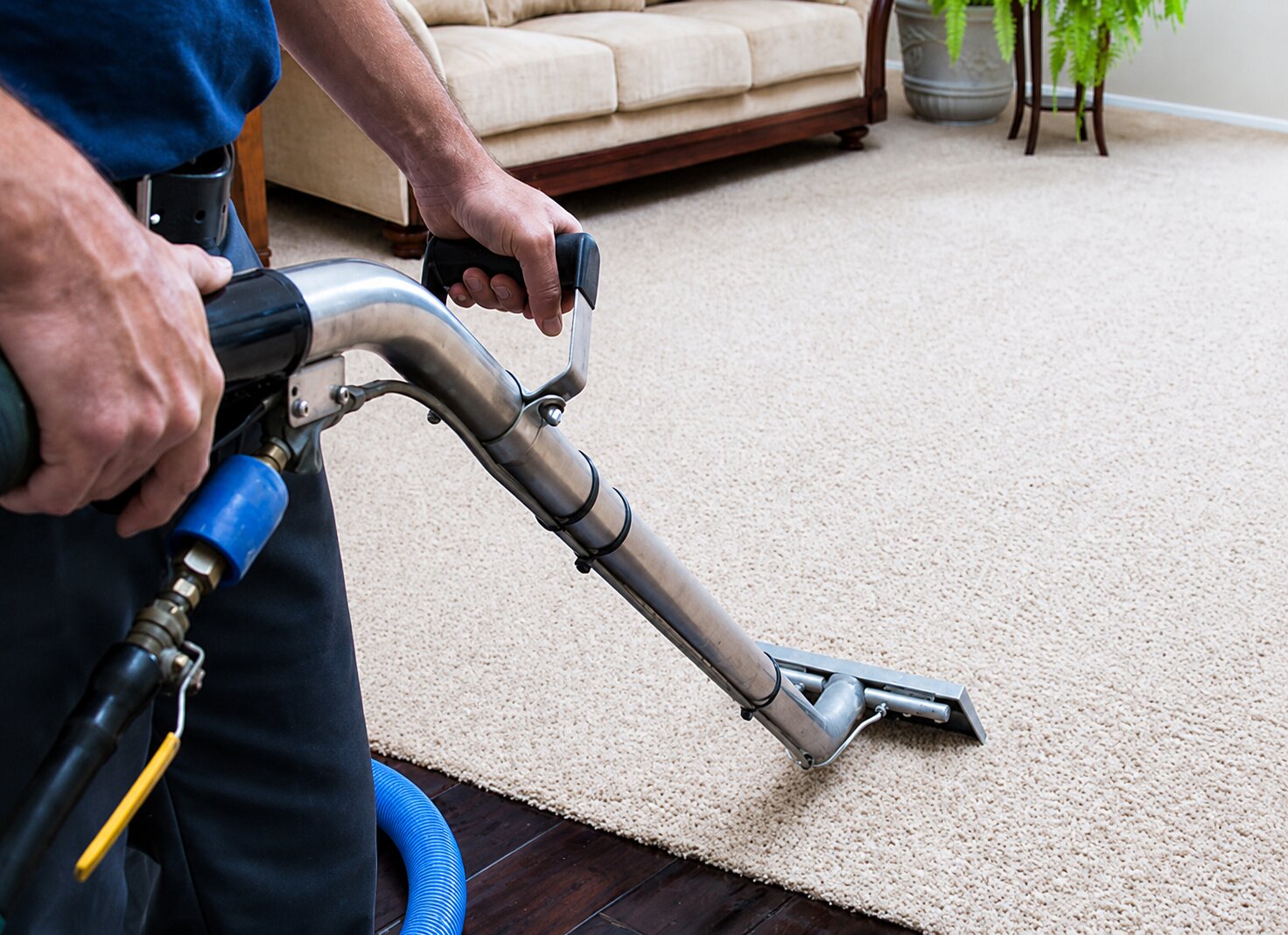
Prevention is generally easier than repeated deep cleaning, and a few adjustments to daily habits can significantly reduce how much sand ends up on carpet in the first place. Useful carpet maintenance habits include:
These habits do not eliminate sand entirely, but they reduce how much makes it past the entryway, which in turn reduces how often a full carpet clean is needed.
A few habits can make sand removal harder than it needs to be, even when the intention is to clean thoroughly. Being aware of these common mistakes helps avoid extra work later on.
Vacuuming wet sand. As mentioned earlier, wet sand tends to smear rather than lift, and it can leave damp patches that take longer to dry and may attract more dirt while still moist. Waiting until the area is fully dry saves time overall.
Using a weak or clogged vacuum. A vacuum with reduced suction, whether from a full bag, a blocked filter or a worn brush roll, will leave sand behind no matter how many passes are made. Checking the vacuum before starting is a simple step that is often skipped.
Rubbing rather than lifting. Scrubbing sand with a cloth or brush in a rubbing motion can push grains further into the pile instead of bringing them to the surface. A lifting or flicking motion, working with the direction of the fibres, tends to be more effective.
Ignoring the underlay. For carpets that have dealt with sand over an extended period, particles can work their way down to the underlay, where a standard vacuum cannot reach. This is one of the more common reasons a carpet continues to feel gritty even after regular vacuuming, and it usually points to the need for a deeper clean.
Skipping entry point prevention. Focusing only on cleaning carpet after the fact, without addressing how sand gets tracked in, means the same areas need attention again and again. Small changes at the front door or beach entrance reduce the overall workload considerably.
The table below compares common approaches to removing sand from carpet, along with when each method is most suitable.
| Method | Best For | Notes |
| Dry vacuuming | Light to moderate sand on dry carpet | Most effective when carpet is fully dry and vacuum suction is strong |
| Stiff brush plus vacuum | Sand embedded in thicker pile | Loosens grains before vacuuming for better results |
| Baking soda treatment | Fine sand and light odours | Works well left to sit for fifteen to twenty minutes before vacuuming |
| Steam cleaning | Sand combined with salt residue or moisture | Suited to deeper cleans rather than routine maintenance |
| Professional carpet cleaning | Heavily embedded sand or older build up | Reaches sand settled deep in the pile and underlay |
Choosing the right method depends on how much sand is present and how long it has been sitting in the carpet. Light, regular vacuuming after each beach visit is usually enough to prevent the need for more intensive cleaning down the track.
While regular vacuuming and the steps above manage most day to day sand, some situations call for more thorough cleaning. This includes carpets that have not been cleaned in some time, homes preparing for a rental inspection, or cases where sand has been walked in repeatedly over months without a deep clean in between. Professional cleaning can also help address salt residue, which tends to build up alongside sand in coastal properties and is not always fully removed through vacuuming alone.
Rob's Cleaning provides carpet cleaning services for households across the Gold Coast, including many properties close to the beach that deal with this kind of build up on a regular basis. For homes where sand and coastal grime have become part of the regular cleaning routine, a periodic professional clean can restore carpet more effectively than home vacuuming alone.
Learning how to properly remove sand from carpet does not require expensive equipment or complicated products, but it does help to understand why sand behaves the way it does and to apply the right technique at the right time. Letting sand dry before vacuuming, using thorough vacuum tips, and building small prevention habits into daily routines all make a noticeable difference over time, particularly for coastal households that deal with sand more often than most.
For Surfers Paradise beach homes and other properties near the coast, a combination of good habits and occasional professional cleaning keeps carpets in better condition and reduces how often sand becomes a bigger problem than it needs to be. If sand and coastal grime have become difficult to manage on your own, Rob's Cleaning can help. Contact us to ask about carpet cleaning options for your home.
Should I vacuum sand while the carpet is still wet?
It is best to let the area dry first. Wet sand smears into fibres and can clog the vacuum, making the job harder than it needs to be.
What is the best vacuum setting for sandy carpet?
A vacuum with strong suction and a brush roll works best. Slow, short strokes in more than one direction lift sand more effectively than quick passes.
Can baking soda help remove sand from carpet?
Yes. Baking soda absorbs moisture and helps loosen fine sand particles when left to sit for fifteen to twenty minutes before vacuuming.
How often should beach homes vacuum their carpets?
Homes near the coast, including Surfers Paradise beach homes, often need more frequent vacuuming than inland properties, particularly in entryways and hallways.
Does sand cause long term damage to carpet?
Over time, embedded sand can wear down carpet fibres due to its abrasive texture. Regular vacuuming and occasional deep cleaning help reduce this risk.
When should I book a professional carpet clean instead of doing it myself?
If sand has built up over months, or salt residue is present alongside it, a professional clean reaches embedded particles that regular vacuuming may not fully remove.
I’ve tried many house cleaning services in the Gold Coast, but Rob's Cleaning is by far the best. Friendly, reliable, and spotless every time!

The bond cleaning team helped me get my full deposit back. Excellent service and affordable house cleaning prices.
I searched for house cleaning near me and found Rob's Cleaning. Now I use them every fortnight! Highly recommend.
Their cleaners are so professional and friendly. I love coming home after they’ve been—it feels like a brand-new house!
We use Rob's Cleaning for our office, and their commercial service is top-notch. Always punctual and thorough.