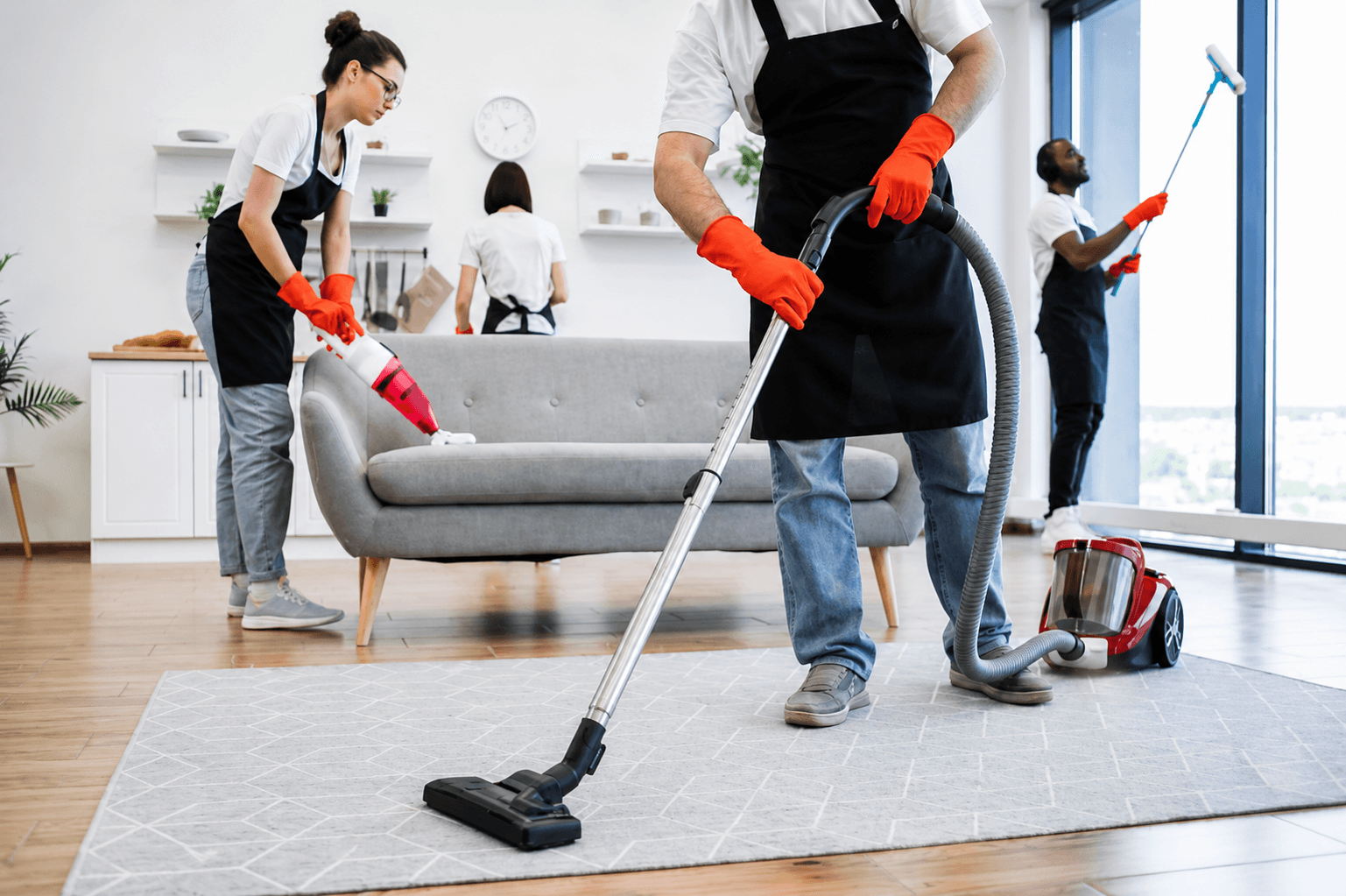
Signs Your Carpet Needs Professional Steam Cleaning

Carpet tends to hide its wear and tear until it becomes hard to ignore. Dust, allergens, spills and everyday foot traffic build up gradually, and by the time a carpet looks obviously dirty, a fair amount has already settled deep into the fibres. Knowing when should carpets be professionally cleaned helps households stay ahead of this build up, rather than waiting until stains, odours or allergy symptoms become a persistent problem.

This guide covers the common signs to watch for, how carpet odours, stains and allergens develop over time, and what a sensible steam cleaning frequency looks like for different types of households. The team at Rob's Cleaning sees a wide range of carpet conditions across Gold Coast homes, and the guidance below reflects the patterns that come up most often.

Why Carpet Cleaning Frequency Matters

Carpet acts as a filter for a home, trapping dust, pet hair, skin cells and airborne particles that would otherwise settle on hard floors and furniture. This is useful in some respects, since it keeps particles out of the air, but it also means carpet accumulates more than most people realise. Vacuuming removes surface level dirt, but it does not reach everything sitting deeper in the pile or backing.

Over time, this build up affects both the appearance and the air quality of a home. Carpets that go too long between proper cleans can hold onto odours, stains and allergens well beyond what regular vacuuming can manage, which is why understanding the right cleaning frequency matters as much as the cleaning itself.

Common Signs Your Carpet Needs Attention

There are a few clear signals that indicate a carpet needs more than a routine vacuum. Recognising these early helps prevent more stubborn problems from setting in.

Visible Stains That Won't Lift

Spills happen in most households, and many can be managed with prompt spot cleaning. However, stains that have been walked over repeatedly, or left to dry before being treated, often sit below the surface of the fibres. If a stain remains visible after normal cleaning attempts, or if it seems to reappear after a few days, this usually means it has settled deeper than a household clean can reach.

Persistent Carpet Odours

Carpet odours are one of the more noticeable signs that something has built up beyond what vacuuming can remove. These odours can come from pet accidents, spilled food or drink, moisture that has not fully dried, or simply years of everyday use. A faint smell that lingers even after airing out a room, or a musty smell that returns after rain or humid weather, often points to bacteria or mould developing within the carpet fibres or underlay.

Increased Allergy Symptoms at Home

Carpet can hold onto dust mites, pollen and pet dander, all of which are common triggers for allergy symptoms. If household members notice more sneezing, itchy eyes or congestion at home compared to elsewhere, carpet allergens may be a contributing factor. This is particularly relevant in homes with pets, young children who spend time on the floor, or anyone with existing respiratory sensitivities.

Carpet Feels Flat or Matted

Beyond visible dirt, carpet pile that feels flat, rough or matted in high traffic areas is often a sign that dirt and oils have built up within the fibres, weighing them down. This changes both the texture and the appearance of the carpet, and it does not usually improve with vacuuming alone.

When Should Carpets Be Professionally Cleaned

General Guidelines for Households

As a general guide, most homes benefit from professional steam cleaning every six to twelve months. This range accounts for typical household use, including moderate foot traffic and standard vacuuming habits, without factoring in specific circumstances that might call for more frequent attention.

Households with light use, such as smaller homes without pets or young children, may be able to extend this to closer to twelve months. On the other hand, busier households often need to move toward the six month mark to keep carpet in good condition.

Factors That Affect Steam Cleaning Frequency

Several factors influence how often steam cleaning frequency should be adjusted:

Homes with several of these factors present often benefit from a shorter interval between professional cleans, sometimes as frequent as every four to six months.

How Steam Cleaning Helps with Odours, Stains and Allergens

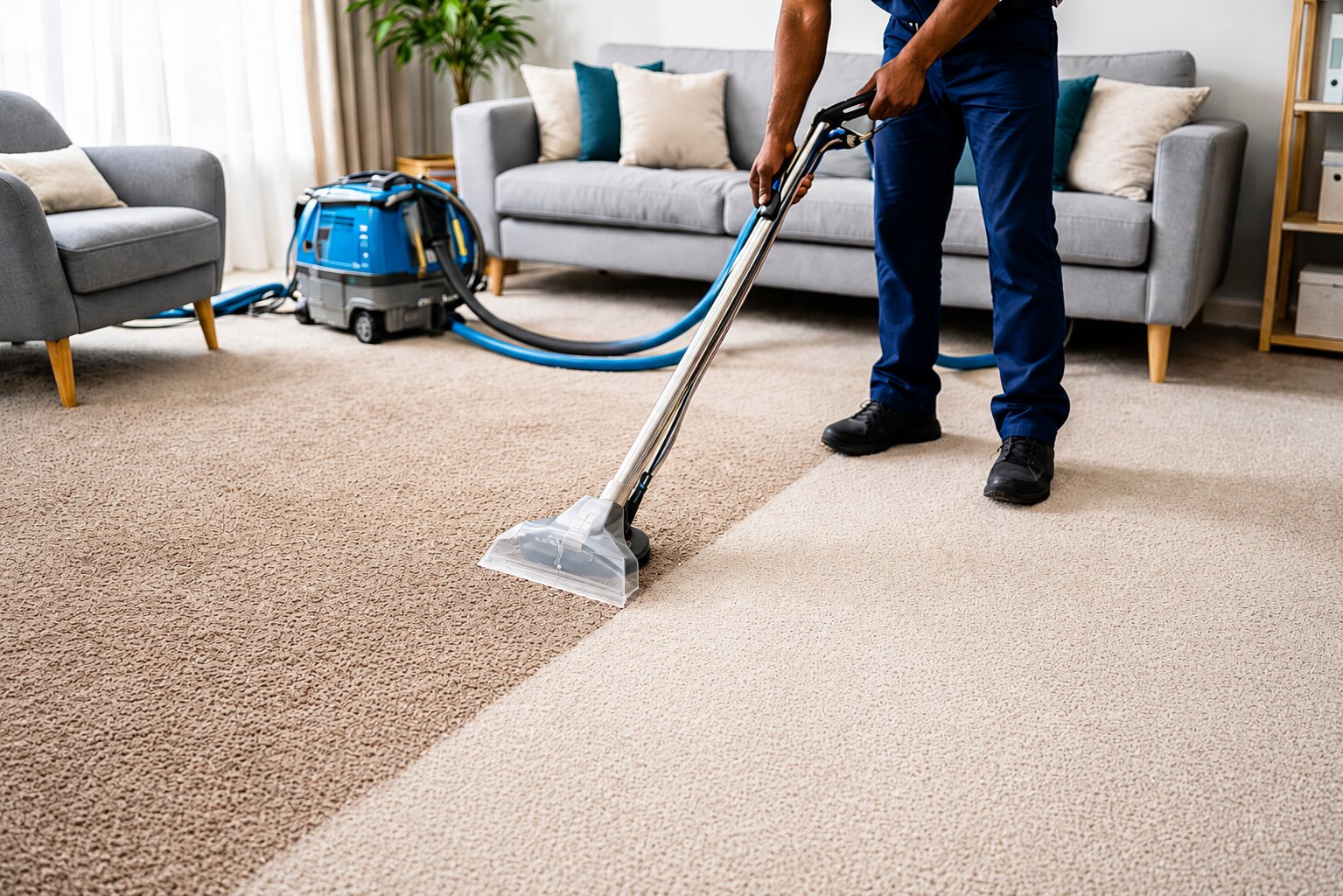
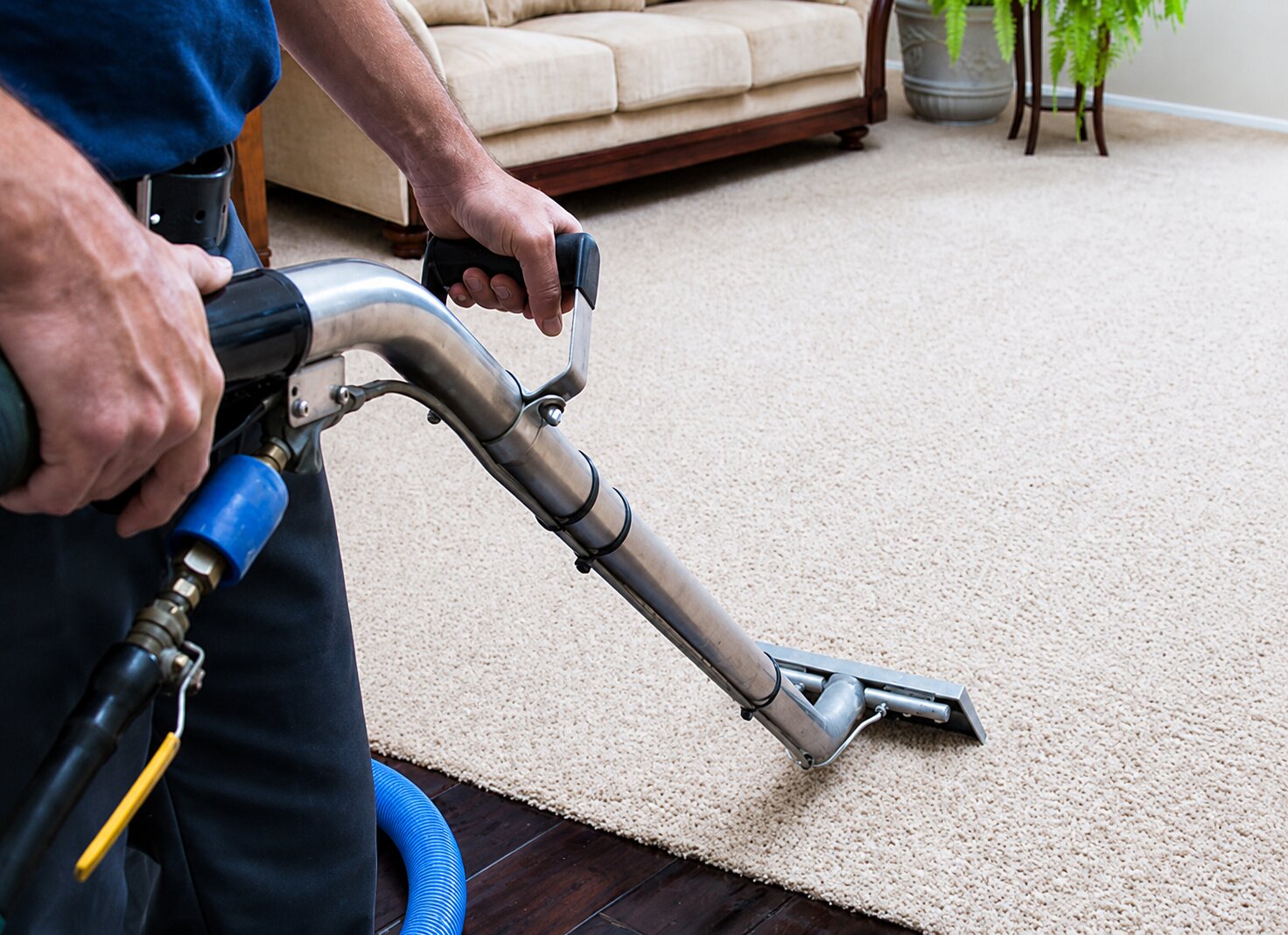
Steam cleaning uses hot water extraction to reach deep into carpet fibres, lifting dirt, oils and residue that vacuuming and surface cleaning cannot access. This process is particularly effective for addressing the issues discussed above.

For carpet odours, the heat and extraction process helps remove the bacteria and residue that cause lingering smells, rather than simply masking them with fragrance. For stains, steam cleaning can loosen and lift marks that have set into the fibres, particularly when treated before they have had years to bond with the carpet material. For allergens, the combination of heat and thorough extraction reduces dust mites, pollen and dander trapped within the pile, which can noticeably improve air quality in a home, particularly for household members sensitive to these triggers.

It is worth noting that steam cleaning works best as part of a regular routine rather than a one off fix. A carpet that has gone several years without professional attention may need more than one treatment to fully address deep set build up.

DIY Maintenance Between Professional Cleans

Regular vacuuming and prompt spot cleaning between professional visits help extend the time between steam cleans and keep carpet in better condition overall. A few habits worth building into a household routine include:

These habits do not replace the need for professional steam cleaning, but they do reduce how quickly a carpet reaches the point where deeper cleaning becomes necessary.

Common Mistakes That Delay Carpet Cleaning

Many households put off professional carpet cleaning longer than they should, often without realising the impact this has. A few common assumptions tend to be behind this delay.

Assuming carpet looks clean means it is clean. Regular vacuuming keeps carpet looking tidy on the surface, but it does not remove everything sitting within the fibres or backing. A carpet can appear presentable while still holding a significant amount of dust, oils and allergens.

Treating odours with fragrance rather than cleaning. Air fresheners and carpet powders can mask carpet odours temporarily, but they do not address the underlying cause. If a smell returns shortly after using these products, it usually means the source is still present within the carpet itself.

Waiting until stains are old before treating them. Stains become significantly harder to remove the longer they sit, particularly once they have been walked over repeatedly or exposed to sunlight. Addressing marks promptly, and scheduling a professional clean sooner rather than later for stains that do not lift, tends to give better results.

Underestimating how quickly allergens build up. Dust mites and pet dander accumulate steadily even in carpets that are vacuumed regularly. Households do not always connect ongoing allergy symptoms to carpet condition, particularly if the carpet does not look visibly dirty.

Skipping cleaning before it becomes urgent. Some households wait for a specific trigger, such as moving house or hosting guests, before booking a professional clean. While this is better than not cleaning at all, working to a regular schedule generally keeps carpet in better condition than relying on occasional prompts.

steam cleaning frequency

Recommended Cleaning Frequency by Household Type

The table below sets out general guidance for steam cleaning frequency based on common household situations. These are starting points rather than fixed rules, and individual circumstances may call for adjustments.

Household Type Recommended Frequency Key Considerations
Single person or couple, no pets Every 12 months Lower foot traffic and less general build up
Family with young children Every 6 to 8 months Higher activity on floors and more frequent spills
Household with pets Every 6 months Shedding, dander and occasional accidents
Allergy or asthma sufferers present Every 4 to 6 months Reducing dust mites and allergens improves air quality
Coastal or beachside homes Every 6 to 8 months Sand, salt and humidity add to build up
Rental properties between tenants Before each new tenancy Addresses wear from previous occupants

What to Expect from a Professional Steam Clean

A professional steam clean typically begins with an inspection of the carpet to identify problem areas, followed by pre treatment of any visible stains. Hot water extraction is then used across the carpet, lifting dirt and residue from deep within the fibres. Drying time varies depending on carpet type and ventilation, though most carpets are safe to walk on within a few hours and fully dry within a day.

Rob's Cleaning provides steam cleaning services for households across the Gold Coast, working with a range of carpet types and conditions, from routine maintenance cleans to carpets that have gone an extended period without professional attention. Understanding what to expect from the process helps households plan around the appointment, particularly regarding drying time and furniture movement.

Final Thoughts on Carpet Cleaning Timing

Working out when should carpets be professionally cleaned comes down to paying attention to the signs a carpet gives off, alongside a general understanding of how household factors affect wear and build up. Persistent carpet odours, stains that will not lift, increased allergy symptoms and carpet that feels flat or matted are all signals that a professional clean is due. Sticking to a reasonable steam cleaning frequency, adjusted for pets, children, allergies and coastal conditions, keeps carpet in better condition and supports better air quality at home.

If it has been a while since your carpet was last properly cleaned, or if you are noticing any of the signs covered in this guide, Rob's Cleaning can help assess what your carpet needs. Contact us to ask about steam cleaning options for your home.

Frequently Asked Questions

How often should carpets be professionally cleaned?

Most households benefit from professional steam cleaning every six to twelve months, depending on foot traffic, pets and other household factors.

What causes persistent carpet odours?

Carpet odours often come from pet accidents, spills, moisture or bacteria that has settled into the fibres or underlay over time.

Can steam cleaning help with allergies?

Yes. Steam cleaning removes dust mites, pollen and dander trapped in carpet fibres, which can improve air quality for household members with allergies.

Is steam cleaning safe for all carpet types?

Most carpet types handle steam cleaning well, though very delicate or older carpets may need a gentler approach. A professional can assess this beforehand.

How long does carpet take to dry after steam cleaning?

Carpet is usually safe to walk on within a few hours and fully dry within a day, depending on ventilation and carpet thickness.

Should coastal homes clean carpets more often?

Yes. Homes near the coast often deal with more sand, salt and humidity, which can mean a shorter interval between professional cleans compared to inland properties.

How to Remove Sand from Carpets After a Beach Day

A day at the beach is one of the simple pleasures of living on the coast, but the sand that comes home with you afterwards is less enjoyable. It works its way into carpet fibres, settles into corners and can be surprisingly stubborn to shift once it has been walked in and pressed down underfoot. Knowing how to remove sand from carpet properly makes a real difference, especially for households near the coast where beach visits happen often rather than occasionally.

This guide walks through practical steps for getting sand out of carpet, along with vacuum tips and coastal cleaning advice that suits Surfers Paradise beach homes and other properties close to the sand and surf. The team at Rob's Cleaning deals with sandy carpets regularly across Gold Coast homes, and the methods below reflect what tends to work best in practice.

Why Sand Is Tricky to Remove from Carpet

Sand behaves differently to most household dirt. Individual grains are small, hard and irregularly shaped, which means they wedge into carpet fibres rather than sitting on the surface. Once foot traffic presses sand further down, it settles near the base of the pile where a quick surface wipe or a light vacuum pass will not reach it.

Damp sand adds another layer of difficulty. Wet grains clump together and can smear rather than lift when vacuumed too soon, which is why timing matters when dealing with sand on carpet. Understanding this behaviour is the first step in choosing the right approach, rather than reaching straight for a vacuum cleaner the moment sand is spotted on the floor.

What You Will Need Before You Start

Most households already have everything required to deal with sandy carpet, without needing specialised products. A basic kit includes:

Having these items ready before a beach trip, rather than searching for them afterwards, makes the cleanup far quicker.

Step by Step: How to Remove Sand from Carpet

Let It Dry First

If sand has come in on wet feet or damp towels, resist the urge to vacuum straight away. Wet sand tends to smear into carpet fibres rather than lift out cleanly, and it can clog a vacuum cleaner's brush roll. Instead, allow the affected area to dry fully, which usually takes a few hours depending on humidity and airflow. Once dry, the sand separates from the fibres more easily and lifts out with far less effort.

Vacuum Tips for Sandy Carpets

Vacuuming is the most effective way to remove sand from carpet once it has dried, but technique matters more than most people expect. A few practical vacuum tips make the process more thorough:

For carpets with thicker or looped pile, a stiff brush run through the fibres before vacuuming helps bring buried sand closer to the surface, making the vacuum pass more effective.

Dealing with Stuck or Embedded Sand

In some cases, particularly with high traffic areas or carpets that have not been vacuumed for a while, sand becomes embedded deep in the fibres. When this happens, sprinkling a small amount of baking soda over the area and working it in gently with a soft brush can help loosen the grains before vacuuming. Leaving the baking soda to sit for fifteen to twenty minutes before vacuuming gives it time to absorb moisture and lift fine particles that a vacuum alone might miss.

For carpet that still holds sand after these steps, a more thorough clean, such as steam cleaning or professional carpet cleaning, may be needed to fully clear out fine particles that have settled deep in the underlay.

Coastal Cleaning Challenges for Surfers Paradise Beach Homes

Properties close to the coast face cleaning challenges that inland homes generally do not. Surfers Paradise beach homes, along with other properties near the sand, deal with a steady flow of sand, salt residue and moisture from beach visits, swimming and outdoor living. This is simply part of coastal life, but it does mean carpets and floors in these homes need more frequent attention than they might elsewhere.

Coastal cleaning also involves managing humidity, which can affect how carpets dry after cleaning and how quickly sand and dust settle back into fibres. In homes close to the beach, it is common for sand to travel further into the property than expected, ending up in hallways, bedrooms and even furniture, simply through everyday movement around the house.

Households in these areas often find that a slightly more frequent cleaning routine, combined with a few simple habits, keeps sand from building up to the point where it becomes a bigger job.

Coastal cleaning

Carpet Maintenance Tips to Prevent Sand Build Up

Prevention is generally easier than repeated deep cleaning, and a few adjustments to daily habits can significantly reduce how much sand ends up on carpet in the first place. Useful carpet maintenance habits include:

These habits do not eliminate sand entirely, but they reduce how much makes it past the entryway, which in turn reduces how often a full carpet clean is needed.

Common Mistakes When Removing Sand from Carpet

A few habits can make sand removal harder than it needs to be, even when the intention is to clean thoroughly. Being aware of these common mistakes helps avoid extra work later on.

Vacuuming wet sand. As mentioned earlier, wet sand tends to smear rather than lift, and it can leave damp patches that take longer to dry and may attract more dirt while still moist. Waiting until the area is fully dry saves time overall.

Using a weak or clogged vacuum. A vacuum with reduced suction, whether from a full bag, a blocked filter or a worn brush roll, will leave sand behind no matter how many passes are made. Checking the vacuum before starting is a simple step that is often skipped.

Rubbing rather than lifting. Scrubbing sand with a cloth or brush in a rubbing motion can push grains further into the pile instead of bringing them to the surface. A lifting or flicking motion, working with the direction of the fibres, tends to be more effective.

Ignoring the underlay. For carpets that have dealt with sand over an extended period, particles can work their way down to the underlay, where a standard vacuum cannot reach. This is one of the more common reasons a carpet continues to feel gritty even after regular vacuuming, and it usually points to the need for a deeper clean.

Skipping entry point prevention. Focusing only on cleaning carpet after the fact, without addressing how sand gets tracked in, means the same areas need attention again and again. Small changes at the front door or beach entrance reduce the overall workload considerably.

Comparing Sand Removal Methods

The table below compares common approaches to removing sand from carpet, along with when each method is most suitable.

Method Best For Notes
Dry vacuuming Light to moderate sand on dry carpet Most effective when carpet is fully dry and vacuum suction is strong
Stiff brush plus vacuum Sand embedded in thicker pile Loosens grains before vacuuming for better results
Baking soda treatment Fine sand and light odours Works well left to sit for fifteen to twenty minutes before vacuuming
Steam cleaning Sand combined with salt residue or moisture Suited to deeper cleans rather than routine maintenance
Professional carpet cleaning Heavily embedded sand or older build up Reaches sand settled deep in the pile and underlay

Choosing the right method depends on how much sand is present and how long it has been sitting in the carpet. Light, regular vacuuming after each beach visit is usually enough to prevent the need for more intensive cleaning down the track.

When to Call in Professional Carpet Cleaners

While regular vacuuming and the steps above manage most day to day sand, some situations call for more thorough cleaning. This includes carpets that have not been cleaned in some time, homes preparing for a rental inspection, or cases where sand has been walked in repeatedly over months without a deep clean in between. Professional cleaning can also help address salt residue, which tends to build up alongside sand in coastal properties and is not always fully removed through vacuuming alone.

Rob's Cleaning provides carpet cleaning services for households across the Gold Coast, including many properties close to the beach that deal with this kind of build up on a regular basis. For homes where sand and coastal grime have become part of the regular cleaning routine, a periodic professional clean can restore carpet more effectively than home vacuuming alone.

Final Thoughts 

Learning how to properly remove sand from carpet does not require expensive equipment or complicated products, but it does help to understand why sand behaves the way it does and to apply the right technique at the right time. Letting sand dry before vacuuming, using thorough vacuum tips, and building small prevention habits into daily routines all make a noticeable difference over time, particularly for coastal households that deal with sand more often than most.

For Surfers Paradise beach homes and other properties near the coast, a combination of good habits and occasional professional cleaning keeps carpets in better condition and reduces how often sand becomes a bigger problem than it needs to be. If sand and coastal grime have become difficult to manage on your own, Rob's Cleaning can help. Contact us to ask about carpet cleaning options for your home.

Frequently Asked Questions

Should I vacuum sand while the carpet is still wet?

It is best to let the area dry first. Wet sand smears into fibres and can clog the vacuum, making the job harder than it needs to be.

What is the best vacuum setting for sandy carpet?

A vacuum with strong suction and a brush roll works best. Slow, short strokes in more than one direction lift sand more effectively than quick passes.

Can baking soda help remove sand from carpet?

Yes. Baking soda absorbs moisture and helps loosen fine sand particles when left to sit for fifteen to twenty minutes before vacuuming.

How often should beach homes vacuum their carpets?

Homes near the coast, including Surfers Paradise beach homes, often need more frequent vacuuming than inland properties, particularly in entryways and hallways.

Does sand cause long term damage to carpet?

Over time, embedded sand can wear down carpet fibres due to its abrasive texture. Regular vacuuming and occasional deep cleaning help reduce this risk.

When should I book a professional carpet clean instead of doing it myself?

If sand has built up over months, or salt residue is present alongside it, a professional clean reaches embedded particles that regular vacuuming may not fully remove.

The Ultimate Cleaning Schedule for Busy Gold Coast Households

Keeping a home clean and organised can feel like a full time job on its own, especially when you are juggling work, school runs and everything in between. A well structured house cleaning schedule Australia families can actually stick to makes a real difference, turning a long list of chores into a manageable routine that fits around daily life. Whether you live in a beachside apartment in Broadbeach or a family home in Robina, the same basic principles apply.

Drawing on what the team at Rob's Cleaning sees across Gold Coast homes, this guide breaks down a realistic cleaning schedule for busy households, covering daily habits, weekly chores, monthly cleaning tasks and a broader home maintenance checklist that keeps your property in good shape all year round.

Why Every Australian Home Needs a Cleaning Schedule

A cleaning schedule is simply a plan that spreads household tasks across the days, weeks and months so nothing gets left until it becomes a bigger job. Without one, cleaning tends to happen in bursts, usually right before guests arrive or when mess becomes impossible to ignore. This approach is stressful and often means certain areas of the home, such as skirting boards, air conditioning filters or the inside of the oven, get neglected for months at a time.

The Gold Coast climate adds its own challenges. Humidity, sea air and sandy floors mean homes here can accumulate grime faster than in cooler, drier parts of the country. A consistent house cleaning schedule in Australia wide helps manage this, but it is particularly useful for coastal households where salt residue, mould risk and outdoor dust are part of everyday life.

At Rob's Cleaning, we speak with households across the Gold Coast who are looking for a simple, realistic way to keep their homes clean without spending every weekend scrubbing. The schedule outlined in this article reflects what tends to work in practice, not an idealised routine that only suits a household with unlimited free time.

Building Your Weekly Chores Routine

Weekly chores form the backbone of any cleaning schedule. These are the tasks that, if left too long, start to affect how comfortable and hygienic a home feels. Breaking them into daily and weekly categories makes the workload far less overwhelming.

Daily Quick Tasks

These are short tasks, usually taking ten to fifteen minutes, that prevent mess from building up:

None of these tasks take long individually, but skipping them for even a few days creates a noticeably messier home.

Weekly Chores Checklist

Weekly chores go a step further than daily tidying and usually happen on a set day or spread across two or three sessions during the week:

Assigning specific days to specific rooms, rather than trying to do everything in one long session, tends to work better for busy households. For example, bathrooms on Monday, bedrooms on Wednesday and living areas on Friday spreads the workload without it feeling like a full day is lost to cleaning.

Monthly Cleaning Tasks You Shouldn't Skip

While weekly chores keep a home looking tidy, monthly cleaning deals with the tasks that do not need attention as often but still matter for hygiene and the condition of your home. These are easy to forget because they are not part of the daily visual mess, yet neglecting them for too long can lead to bigger problems, particularly with mould and dust build up in a humid climate like the Gold Coast.

Deep Cleaning Areas

A monthly cleaning session should include:

Some households prefer to break monthly cleaning into smaller weekly additions rather than one long session. For instance, tackling windows one week and the oven the next spreads the effort more evenly across the month.

Seasonal Cleaning and Home Maintenance Checklist

Beyond weekly and monthly cleaning, a broader home maintenance checklist covers tasks that come up a few times a year. These are often overlooked because they fall outside the usual cleaning routine, but they matter for the long term condition of a property, particularly in a coastal environment.

Seasonal tasks worth adding to your calendar include:

Coastal homes on the Gold Coast are more prone to salt residue on outdoor surfaces and fixtures, so adding a quarterly outdoor wipe down to your maintenance checklist helps protect metal fittings, window frames and outdoor furniture from premature wear.

house cleaning schedule in Australia

Creating a Family Routine That Actually Works

A cleaning schedule only works if it fits into the rhythm of daily life. For most households, this means building a family routine where responsibilities are shared rather than falling entirely on one person.

Tips for Involving Kids

Children, even young ones, can take on age appropriate tasks. This might include putting toys away, wiping their own table space after meals, or helping sort washing. Involving kids early builds habits that make household upkeep easier as they get older, and it takes some pressure off parents who are already managing work and other commitments.

A simple approach that works for many families is a visible chart, either on the fridge or a shared digital calendar, listing who is responsible for which task on which day. This removes the need for constant reminders and gives everyone a clear understanding of what is expected.

Balancing Work and Home Life on the Gold Coast

Many Gold Coast households juggle shift work, school pick ups and weekend activities, which makes rigid cleaning schedules hard to maintain. Building some flexibility into the plan, such as a buffer day each week to catch up on anything missed, tends to work better than a strict day by day schedule that falls apart the first time plans change.

It is also worth being realistic about what a household can manage alone. Some families choose to handle daily and weekly chores themselves but bring in professional help for monthly or seasonal deep cleaning tasks that take longer and require more equipment. This is one of the more common reasons households get in touch with Rob's Cleaning, particularly ahead of busy periods or when preparing a home for sale or rent.

Sample House Cleaning Schedule Australia Households Can Follow

The table below sets out a sample schedule that spreads weekly chores, monthly cleaning and home maintenance checklist items across a typical month. It can be adjusted depending on household size and how much time is available.

Frequency Tasks Suggested Timing
Daily Wipe kitchen benches, make beds, quick tidy of living areas Morning or after dinner
Weekly Vacuum and mop floors, clean bathrooms, change linen, dust surfaces Spread across 2 to 3 days
Fortnightly Clean fridge interior, wipe skirting boards, wash bath mats Weekend session
Monthly Clean oven, wash windows, dust ceiling fans, descale taps One dedicated session
Quarterly Clean gutters, wash outdoor furniture, deep clean carpets Start of each season
Annually Check smoke alarms, deep clean wardrobes, review maintenance checklist Start of the year

Having this laid out in one place makes it easier to see how the workload is distributed, rather than trying to remember every task from memory.

When to Call in Professional Help

Even with a solid schedule, there are times when professional cleaning makes sense. This might be during particularly busy work periods, after illness in the household, before hosting family or friends, or when preparing a rental property for inspection. Deep cleaning tasks such as oven cleaning, carpet cleaning or end of lease cleaning often require more time and specific equipment than a typical weekly routine allows for.

Rob's Cleaning works with households across the Gold Coast who want support with these larger or less frequent tasks, whether that is a one off deep clean or ongoing help with the parts of a cleaning schedule that are hardest to keep up with. Bringing in help for the more demanding tasks means the rest of the household routine stays manageable.

Final Thoughts on Keeping Your Home in Order

A realistic house cleaning schedule Australia households can maintain does not need to be complicated. Breaking tasks into daily habits, weekly chores, monthly cleaning and a broader home maintenance checklist makes the workload predictable rather than overwhelming. Building this into a family routine, with tasks shared where possible, helps keep a home comfortable without turning cleaning into a constant source of stress.

For Gold Coast households dealing with humidity, sea air and busy schedules, having a plan in place, and knowing when to call in extra help, makes a noticeable difference over time. Rob's Cleaning is available for households looking for support with the tasks that are hardest to fit into a weekly routine, from deep cleans to ongoing maintenance. To discuss your household's cleaning needs or request a quote, contact us through our website.

Frequently Asked Questions

How often should a house be cleaned in Australia?

A mix of daily quick tasks, a full weekly clean and monthly deep cleaning works well for most homes. The right frequency depends on household size, pets and daily traffic.

What is the difference between weekly chores and monthly cleaning?

Weekly chores keep a home tidy day to day, covering vacuuming, dusting and bathrooms. Monthly cleaning handles bigger jobs like windows, ovens and ceiling fans that need less frequent attention.

How can I get my family involved in a cleaning routine?

Assign age appropriate tasks and use a visible chart or shared calendar. Starting small with younger children builds good habits over time.

What should be included in a home maintenance checklist?

A home maintenance checklist covers seasonal tasks such as gutters, smoke alarms, air conditioning filters and carpets. These focus on the long term condition of the property rather than everyday cleanliness.

When is it worth hiring a professional cleaner?

Professional help suits deep cleans, end of lease cleaning and busy periods when a full schedule becomes hard to manage. Many households combine this with their own daily and weekly chores.

Does the Gold Coast climate affect how often a home should be cleaned?

Yes. Humidity and sea air raise the risk of mould and salt residue in bathrooms and outdoor areas. These spots often need checking more regularly than in drier climates.

End of Lease Cleaning Checklist for Surfers Paradise Renters

Moving out of a rental property in Surfers Paradise comes with a long list of tasks, and cleaning is usually the one that decides whether you get your full bond back. Property managers in this area inspect units closely, particularly in high turnover buildings along the beachfront, so a thorough clean matters more than most renters expect. This end of lease cleaning checklist for Surfers Paradise renters breaks down what needs attention room by room, what landlords typically look for, and how to prepare for a rental inspection without last minute stress.

Whether you plan to clean the property yourself or bring in help, this guide is designed to give you a clear, realistic picture of what a proper exit clean involves. The team at Rob's Cleaning has put together this checklist based on the details property managers in this area tend to focus on most.

Why an End of Lease Clean Matters in Surfers Paradise

Surfers Paradise has a dense mix of apartments, holiday lets converted to long term rentals, and beachside units, many of which are managed by agencies with strict handover standards. Because these properties often see quicker tenant turnover than suburban houses, agents tend to compare the unit against detailed entry condition reports and photos taken when the previous tenant moved in. Working through an end of lease cleaning checklist surfers paradise renters can rely on helps account for these local differences before the final inspection.

This means small details, like grout marks in the bathroom or dust on ceiling fans, are more likely to be noticed. A rushed or partial clean is one of the most common reasons tenants lose part of their bond, so understanding the landlord's cleaning requirements before you start packing can save time, money and disagreement later.

Weather is another factor specific to this region. Humidity and salt air can leave a film on windows, tiles and outdoor railings even in units that have been cleaned regularly during the tenancy. This build up is not always obvious day to day, but becomes noticeable once furniture is removed and natural light fills the empty rooms, which is exactly when a property manager conducts the inspection.

bond cleaning Gold Coast

Understanding Landlord Cleaning Requirements

What Property Managers Look For

Most tenancy agreements in Queensland require the property to be returned in a similar condition to when the lease started, allowing for reasonable wear and tear. In practice, property managers check the following during a final inspection:

Common Bond Deduction Reasons

Bond disputes usually come down to a handful of recurring issues. Greasy stovetops, mould in bathroom sealant, dusty air conditioning vents and marked walls are the most frequent complaints raised by agents during exit inspections. Carpets that have not been professionally cleaned when the lease requires it, and balconies left with salt residue or grime, are also common in coastal buildings.

Tenants sometimes assume wear and tear from everyday living will not be questioned, and in most cases reasonable marks from normal use are accepted. The distinction agents tend to draw is between fair wear, such as slight fading on curtains from sun exposure, and neglect, such as built up grime in an exhaust fan that has clearly not been cleaned throughout the tenancy. Understanding this difference helps renters focus their time on the areas most likely to affect the bond outcome, rather than spending hours on cosmetic issues that would not be deducted regardless.

The Complete End of Lease Cleaning Checklist

A room by room approach makes the job more manageable and reduces the chance of missing something an inspector will notice. The table below outlines the core tasks for each area of the property.

Area Key Tasks
Kitchen Degrease stovetop and oven, clean rangehood filter, wipe cupboards inside and out, clean sink and taps, wipe down benchtops, clean fridge if supplied
Bathroom Scrub tiles and grout, clean toilet and cistern, remove soap scum from shower screen, wipe mirrors, clean exhaust fan, check for mould in sealant
Bedrooms Vacuum or steam clean carpets, wipe skirting boards, clean inside wardrobes, dust light fittings and fans, wipe window sills
Living Areas Vacuum floors, wipe down surfaces, clean light switches and door handles, dust blinds or curtains
Windows and Doors Clean glass inside and out where accessible, wipe tracks and frames, clean flyscreens
Balcony or Outdoor Area Sweep and wash flooring, wipe railings, remove cobwebs, clean outdoor light fittings
Laundry Clean inside washing machine if provided, wipe benches, clean sink and taps
General Dust ceiling fans, wipe air conditioning vents, remove cobwebs from corners, check behind furniture before it is removed


Kitchen

The kitchen tends to take the longest because grease builds up over time, particularly around the stovetop and rangehood. Oven interiors should be cleaned thoroughly, including racks and trays, since this is one of the areas agents check closely.

Bathrooms

Bathrooms in older Surfers Paradise buildings sometimes have grout that has darkened over the years. While reasonable wear is expected, visible mould or soap build up in the shower recess should be treated before the final inspection.

Living Areas and Bedrooms

Carpets often need vacuuming at minimum, and steam cleaning if the lease specifies it or if pets were kept on the property. Skirting boards and window sills collect dust that is easy to overlook but noticeable during an inspection.

Windows, Walls and Fixtures

Marks on walls from furniture or picture hooks should be addressed where possible. Light switches and door handles pick up grime over the length of a tenancy and are a quick win for improving the overall impression of the property.

Outdoor Areas

Balconies exposed to coastal air can accumulate salt residue, which affects both the flooring and railings. A wash down before the final inspection helps avoid comments about neglect in outdoor areas.

Bond Clean Guide: Step by Step Approach

Before You Start

Read through the original entry condition report if you still have a copy, since this outlines the state of the property when you moved in. Compare it against the current condition and take your own photos before cleaning begins, in case there is a dispute later.

Cleaning Order That Works

Working from the top of each room downward, and from the back of the property toward the entry, tends to be the most efficient order. A general sequence that works well is:

  1. Remove all belongings and rubbish first
  2. Clean ceilings, fans and light fittings
  3. Wipe down walls and remove marks
  4. Clean kitchen appliances and surfaces
  5. Clean bathrooms and laundry
  6. Vacuum or steam clean carpets last
  7. Finish with floors, windows and outdoor areas

This bond clean guide approach avoids re-cleaning surfaces that get dirty again during earlier steps, such as vacuuming before dusting.

Rental Inspection Checklist: What to Prepare For

How Inspections Are Conducted

Final inspections are usually scheduled a day or two before or after the lease end date. The property manager walks through each room with a checklist, often comparing it to the entry report and photos. Some agents allow tenants to attend, which can be useful for addressing any concerns on the spot.

Documenting Condition

Taking clear photos of every room once cleaning is finished, including cupboards, ovens and bathrooms, provides a record if there is disagreement about the bond return. Timestamped photos are generally accepted as reasonable evidence in bond disputes handled through the Residential Tenancies Authority in Queensland.

Exit Clean Tips for a Smooth Handover

Timing Your Clean

Cleaning too early risks the property gathering dust again before the inspection, particularly if there is a gap of several days. Scheduling the clean as close as possible to the handover date, ideally the day before or the morning of, gives the best result.

DIY vs Professional Cleaners

A DIY clean can work well for smaller units if there is enough time and the property has been maintained throughout the tenancy. Larger apartments, or properties with carpet cleaning requirements written into the lease, often benefit from professional help, particularly where a bond back guarantee is offered by the cleaning provider.

Moving Out Cleaning: Common Mistakes to Avoid

Several avoidable issues come up repeatedly during moving out cleaning in rental properties:

Addressing these areas early, rather than as an afterthought, reduces the risk of a follow up request from the property manager after the inspection.

When to Call Professional Cleaners

For renters who are short on time, managing an interstate move, or simply want the reassurance of a thorough job, professional end of lease cleaners can complete the work to the standard most agents expect. Rob's Cleaning provides end of lease cleaning services in Surfers Paradise and the surrounding Gold Coast area, with a focus on the details that property managers typically check during final inspections.

Rob's Cleaning works through each area of the property using a structured checklist similar to the one outlined above, covering kitchens, bathrooms, carpets and outdoor spaces. For renters preparing for their exit inspection, more information on the specific services offered is available at Rob's Cleaning.

Choosing a cleaning provider that understands local rental inspection checklist standards in Surfers Paradise can make the handover process considerably less stressful, particularly for tenants managing a move on a tight schedule.

Final Thoughts

An end of lease cleaning checklist for Surfers Paradise renters is really about reducing uncertainty. Knowing what property managers look for, working through each room methodically, and documenting the final result gives tenants the best chance of a full bond return. Whether the cleaning is done independently or with the help of a service like Rob's Cleaning, the same principles apply: work systematically, do not leave tasks to the last minute, and keep records of the property's condition at handover.

Renters who plan ahead and follow a clear checklist generally find the end of lease process far less stressful than those who leave cleaning until the final day. For renters who would rather book a professional clean than tackle the checklist alone, contact us to discuss availability and pricing for your move out date.

Frequently Asked Questions

What does an end of lease clean in Surfers Paradise usually include?

It generally covers the kitchen, bathrooms, bedrooms, living areas, windows and outdoor spaces such as balconies. Carpet cleaning is often included if specified in the lease agreement.

How long before moving out should I book a bond clean?

Booking a professional clean, or setting aside time for a DIY clean, one to two days before the final inspection usually works best. This avoids dust settling again before the property manager conducts the walkthrough.

Do I need to clean the oven and carpets myself?

Most tenancy agreements expect the property to be returned in a similar condition to the start of the lease, which typically includes a clean oven and vacuumed or steam cleaned carpets, depending on what is written in the lease.

What happens if the property manager is not satisfied with the clean?

The property manager may request additional cleaning before releasing the bond, or in some cases deduct cleaning costs from the bond amount. Keeping photos of the completed clean can help if there is a disagreement.

Can I attend the final rental inspection?

Many agents allow tenants to be present during the final inspection, though this depends on the property manager and the specific lease terms. It is worth asking in advance if attending is possible.

Is professional end of lease cleaning worth it for a small apartment?

For smaller units, a DIY clean can be sufficient if there is enough time and the property has been kept in reasonable condition throughout the tenancy. Larger apartments or properties requiring carpet cleaning receipts often benefit from professional cleaners.


Why Tenants Lose Their Bond Over Cleaning Issues

Losing part of a rental bond is one of the most frustrating experiences for tenants, especially when the property looks clean to the naked eye. Yet cleaning related deductions remain one of the most common reasons bond money is withheld at the end of a tenancy. Understanding why tenants lose bond money over cleaning issues can help renters avoid the same mistakes and improve their chances of a full refund.

This article looks at the specific cleaning problems that come up most often during final inspections, what property managers are actually checking for, and how tenants can approach the process in a way that protects their bond. The team at Rob's Cleaning sees these issues regularly across rental properties, and this guide draws on that pattern to explain what tends to go wrong and how to avoid it.

Why Do Tenants Lose Bond Money Over Cleaning

Common Reasons Property Managers Deduct Bond

Bond deductions related to cleaning almost always come down to the gap between what a tenant considers clean and what the lease agreement, and the property manager, expect. The most frequent issues include:

None of these issues are unusual on their own, but when several appear together during a final inspection, they add up to a deduction that many tenants feel is unfair, particularly if the cleaning was done in a hurry rather than skipped altogether. This pattern is a large part of the answer to why do tenants lose bond money, since it is rarely one major problem but a combination of smaller ones left unaddressed.

ChatGPT Image Jul 16 2026 05 54 16 PM

How Bond Money Is Assessed

Bond is generally held against damage or a lack of cleanliness beyond reasonable wear and tear, not against the natural ageing of a property. Property managers compare the condition of the property at the end of the tenancy against the entry condition report completed at the start of the lease. If the difference goes beyond expected wear, a portion of the bond can be withheld to cover professional cleaning or repairs.

This comparison is the reason photographic evidence matters so much on both ends of a tenancy. Tenants who did not receive a detailed entry report, or who never took their own photos when moving in, are often at a disadvantage if a dispute arises later.

In Queensland, unresolved bond disputes are typically handled through the Residential Tenancies Authority, which can review evidence from both the tenant and the property manager before deciding how the bond should be split. This process tends to favour whichever party has clearer documentation, which is why photos and written records carry more weight than a verbal description of how clean a property was left. Tenants who keep a simple record of cleaning receipts, photos and any communication with the property manager are generally in a stronger position if a disagreement does arise.

Common Rental Cleaning Mistakes Tenants Make

Most rental cleaning mistakes are not the result of laziness. They usually come from underestimating how much time a proper clean takes, or not knowing which areas property managers focus on most closely. Many tenants also clean the property in the same way they would during a normal weekly tidy up, without accounting for the deeper build up that accumulates over months or years of everyday living. The table below outlines mistakes seen frequently during final inspections, along with their usual consequence and a practical fix.

Common Mistake Likely Consequence How to Fix It
Leaving the oven for last Not enough time to remove built up grease Clean the oven early using a degreaser and allow time for a second pass
Skipping exhaust fans Dust and grime noticed during inspection Wipe down bathroom and kitchen exhaust fans as a standard step
Vacuuming before dusting Dust resettles on floors after cleaning Dust ceilings, fans and surfaces first, then vacuum last
Ignoring carpet stains Deduction for professional carpet cleaning Treat stains early or book a steam clean before the final day
Missing balconies or garages Overlooked area flagged at inspection Include every space listed in the lease in the cleaning plan
Cleaning too early Dust resettles before the inspection date Schedule the clean as close to handover as possible


Kitchen Mistakes

The kitchen is consistently the area where the most time is underestimated. Grease on stovetops and inside ovens takes longer to remove than most tenants expect, particularly if it has built up over a long tenancy. Rangehood filters are also frequently missed, even though they are a common check point during inspections.

Bathroom Mistakes

Soap scum on shower screens and mould in grout lines are two of the most visible issues in a bathroom during a final walkthrough. These problems are manageable if treated early with the right products, but become harder to shift the longer they are left.

Carpet and Flooring Mistakes

Carpets that have not been vacuumed thoroughly, or that show stains from spills or pet use, are one of the more expensive deductions tenants face. Many leases specify that carpets must be professionally cleaned at the end of a tenancy, and a receipt is often required as proof.

What Happens During a Property Inspection

What Property Managers Check

A property inspection at the end of a tenancy typically follows the same structure as the entry inspection, room by room. Property managers usually check kitchens, bathrooms, bedrooms, living areas, windows and any outdoor spaces included in the lease. They compare the current state of each area against the entry condition report and note anything that falls outside reasonable wear and tear.

Timing of Inspections

Most inspections are scheduled within a day or two of the lease ending, either before the keys are returned or shortly after. Tenants are sometimes allowed to attend, which gives an opportunity to address any concerns before the report is finalised. Confirming the exact date and time with the property manager in advance avoids confusion about when the property needs to be ready.

It also helps to ask whether the inspection will be conducted against a formal checklist or a more general walkthrough, since this can vary between agencies. Some property managers use a standardised form that mirrors the entry condition report line by line, while others take a broader view of overall presentation. Either way, having the property fully cleaned and free of belongings before the scheduled time removes any ambiguity about whether the space was ready for handover.

Tenancy Cleaning Standards Explained

Reasonable Wear and Tear vs Neglect

Not every mark or sign of use in a rental property leads to a bond deduction. Reasonable wear and tear, such as slight fading on curtains from sunlight or minor scuffs on flooring from normal foot traffic, is generally accepted. Neglect is different, and refers to build up that could have been prevented with regular cleaning during the tenancy, such as heavy grease in an oven that has clearly not been cleaned for months.

Understanding this distinction helps tenants focus their time on the issues most likely to affect the bond outcome, rather than trying to make a property look brand new.

What the Lease Agreement Usually Requires

Most residential tenancy agreements require the property to be returned in a similar condition to the start of the lease, allowing for fair wear and tear. Some leases go further and specify professional carpet cleaning, pest control, or garden maintenance as separate requirements. Reading the lease carefully before the final clean avoids missing a condition that could otherwise affect the bond.

It is also worth checking whether the lease references a specific standard, such as requiring the property to be left to a professional cleaning standard rather than simply clean. This wording matters, since it can shift the expectation from a general tidy up to a more thorough result covering areas like exhaust fans, window tracks and skirting boards. Tenants who are unsure what a clause means are generally better off asking the property manager directly before the final inspection, rather than assuming a lower standard will be accepted.

Bond Refund Tips for Tenants

Documentation Before and After

Photos taken at the start of a tenancy, and again once the final clean is complete, are one of the simplest ways to protect a bond claim. Timestamped photos showing the condition of ovens, carpets, bathrooms and outdoor areas give tenants a clear record if there is a disagreement with the property manager later.

Cleaning Order That Helps

Working through a property in a consistent order reduces the chance of missing an area or having to redo a task. A sequence that tends to work well is:

  1. Remove all belongings and rubbish
  2. Dust ceilings, fans and light fittings
  3. Clean kitchen appliances and surfaces
  4. Clean bathrooms and laundry areas
  5. Vacuum or steam clean carpets
  6. Finish with windows, floors and outdoor spaces

Following this order, and scheduling the clean as close to the handover date as possible, are two of the most practical bond refund tips tenants can apply without any extra cost.

When Professional Cleaning Helps

Tenants who are short on time, managing a long distance move, or dealing with a property that has not been cleaned regularly during the tenancy often benefit from professional support. Rob's Cleaning provides end of lease and tenancy cleaning services for renters preparing for a final property inspection, with attention to the specific areas that tend to cause bond disputes, including ovens, bathrooms, carpets and outdoor spaces.

Rob's Cleaning approaches each property using a structured checklist that reflects what property managers commonly assess during a final inspection. This includes degreasing kitchen surfaces, treating mould and soap scum in bathrooms, steam cleaning carpets where required, and covering outdoor areas such as balconies and garages that are often left until last. For tenants who would rather book a professional service than manage the clean alone, more information is available at Rob's Cleaning.

Final Thoughts

Understanding why do tenants lose bond money over cleaning issues comes down to a small number of recurring problems, most of which are avoidable with enough time and the right approach. Kitchens, bathrooms and carpets are consistently the areas that cause the most disputes, while documentation and timing play a significant role in how smoothly the final inspection goes.

Tenants who plan ahead, follow a clear cleaning order, and keep records of the property's condition at handover generally have a stronger position if a bond dispute arises. It continues to support tenants across the region with this process, and renters who would prefer a professional clean rather than handling it themselves are welcome to contact us to discuss availability ahead of their move out date.

Frequently Asked Questions

Why do tenants lose bond money most often?

Cleaning related issues in kitchens, bathrooms and carpets are the most common cause, along with dust on fittings and marks on walls that were not addressed before the final inspection.

What is considered reasonable wear and tear?

Minor fading, small scuffs from normal use, and light wear on carpets or fixtures are usually accepted as reasonable. Build up from a lack of cleaning, such as grease or mould, is generally treated differently.

How can tenants avoid rental cleaning mistakes?

Starting the clean early enough to deal with grease and mould, following a consistent room by room order, and checking the lease for specific requirements such as carpet cleaning all help reduce common mistakes.

What happens during a property inspection at the end of a lease?

The property manager walks through each room, comparing its condition against the entry report completed at the start of the tenancy, and notes any cleanliness or damage issues beyond reasonable wear and tear.

Do carpets always need to be professionally cleaned?

This depends on the lease agreement. Many tenancy agreements specify professional carpet cleaning with a receipt as proof, particularly if pets were kept on the property.

Is it worth hiring a professional cleaner before moving out?

For tenants short on time or dealing with a property that needs significant attention, a professional clean can reduce the risk of bond deductions and remove the pressure of completing the work alone before handover.

How Often Should a Family Home Be Professionally Cleaned?

Keeping a family home clean is an ongoing task, and it is not always obvious how often professional help should factor into the routine. Some households manage well with an occasional deep clean, while others find that regular visits from a professional cleaner make daily life noticeably easier. Understanding how often should a house be professionally cleaned depends largely on the size of the home, the number of people living in it, and how the space is used day to day.

This guide looks at how to work out a sensible cleaning frequency for a family home, the difference between weekly and fortnightly cleaning, and how a consistent schedule supports better home hygiene. Rob's Cleaning works with families across the Gold Coast on exactly this kind of planning, and the guidance below reflects the patterns seen most often across different household types, along with a few practical signs that suggest a schedule may need to change.

How Often Should a House Be Professionally Cleaned

Factors That Affect Cleaning Frequency

There is no single answer that suits every household, since cleaning needs vary based on several practical factors:

A larger family with young children and pets will usually need more frequent attention than a smaller household with fewer people using the space each day.

It also helps to think about how the home is used rather than just how many people live there. A household that works from home, entertains regularly, or has children doing schoolwork and craft activities at the kitchen table tends to generate more day to day mess than a home where most rooms are only used in the evenings or on weekends. Two households of the same size can therefore need quite different cleaning frequencies depending on how much daily activity happens inside the home.

ChatGPT Image Jul 16 2026 06 17 03 PM

General Guidelines for Family Homes

As a general starting point, most family homes benefit from a professional clean somewhere between weekly and fortnightly, with a deeper clean scheduled every few months to cover areas that do not need attention as often, such as inside ovens or behind large appliances. Homes with young children, multiple pets, or a busy household tend to sit at the more frequent end of this range, while smaller households or homes with fewer occupants can often manage with less frequent visits. This range is generally the clearest answer to how often should a house be professionally cleaned, though the exact fit still depends on the household.

These are general starting points rather than fixed rules, and many families adjust their schedule after the first few visits once they have a clearer sense of how the home holds up between cleans. A household that finds surfaces are still relatively tidy a week after a clean might comfortably stretch to a fortnightly schedule, while a family that notices mess building up quickly may prefer to move in the other direction.

Weekly Cleaning vs Fortnightly Cleaning

Choosing between weekly cleaning and fortnightly cleaning usually comes down to how quickly mess accumulates in the home and how much time the household has to manage cleaning tasks in between visits. The table below outlines when each option tends to work best.

Household Type Weekly Cleaning Fortnightly Cleaning
Family with young children Often recommended due to frequent mess and spills Can work if parents manage daily tidying between visits
Household with pets Helps manage pet hair, odours and tracked in dirt Suitable for lower shedding pets or smaller homes
Dual income household Reduces weekend cleaning pressure Common choice when both adults share cleaning duties
Smaller household or couple Not always necessary unless preferred Generally sufficient for maintaining a clean home
Home with allergy or asthma concerns Supports better home hygiene through frequent dusting May be enough if triggers are well managed day to day


When Weekly Cleaning Makes Sense

Weekly cleaning tends to suit larger families, homes with pets, or households where both parents work full time and have little spare time for cleaning during the week. It keeps common areas such as kitchens, bathrooms and living spaces consistently tidy, which reduces the build up of grime that becomes harder to manage over longer gaps. Households that entertain regularly, or where children have friends over often, also tend to find weekly visits worthwhile, since shared spaces see more use and need more frequent attention to stay presentable.

When Fortnightly Cleaning Is Enough

Fortnightly cleaning is often a good fit for smaller households, homes without young children, or families who are comfortable handling light tidying between professional visits. It still provides regular support for the tasks that take the most time, such as bathrooms and floors, without the higher ongoing cost of weekly visits.

Home Hygiene and Why Frequency Matters

Areas That Need Frequent Attention

Certain areas of a family home accumulate dirt, bacteria and allergens faster than others, and benefit from more regular cleaning regardless of the overall schedule chosen. These include kitchen benchtops and sinks, bathroom surfaces, door handles and light switches, and any surfaces frequently touched by children or pets. Floors in entryways and hallways also tend to need more frequent attention, since they carry the most foot traffic and collect dirt brought in from outside.

Health and Hygiene Considerations

Good home hygiene is particularly important in households with young children, elderly family members, or anyone managing allergies or respiratory conditions. Dust, pet hair and bacteria build up more quickly in high traffic areas, and a consistent cleaning schedule helps limit the impact these have on indoor air quality and overall wellbeing at home.

Kitchens and bathrooms deserve particular attention in this respect, since both are areas where bacteria can spread quickly if surfaces are not cleaned regularly. Chopping boards, sinks and benchtops in the kitchen, along with toilets, showers and bathroom floors, are generally the highest priority areas when it comes to hygiene, even in households that otherwise choose a less frequent overall cleaning schedule.

Building a Family Cleaning Schedule

Daily, Weekly and Monthly Tasks

A practical family cleaning schedule usually works best when tasks are divided by how often they need attention rather than trying to do everything at once. A simple structure that works for many households is:

  1. Daily: wiping kitchen surfaces, managing dishes, quick tidy of common areas
  2. Weekly or fortnightly: professional or thorough clean of bathrooms, floors and kitchens
  3. Monthly: attention to less frequently used areas such as windows or skirting boards
  4. Every few months: deeper cleaning tasks like oven interiors or carpet steam cleaning

Adjusting the Schedule Over Time

family cleaning schedule is rarely fixed forever. As children grow, work schedules change, or a household adds a pet, the right frequency often shifts. Reviewing the schedule every few months and adjusting based on how the home is holding up between cleans helps keep the routine realistic rather than following a plan that no longer matches the household's needs.

Seasonal changes can also affect how often a home needs attention. School holidays often mean more time spent at home and more mess in common areas, while a quieter period with less activity around the house might allow for a temporarily reduced schedule. Treating the cleaning schedule as something that can flex with the household's circumstances, rather than a rule set once and never revisited, tends to produce better results over time.

Signs Your Home Needs Cleaning More Often

A few common signs suggest a household might benefit from a more frequent cleaning schedule than they currently have in place:

If several of these apply, moving from a fortnightly to a weekly schedule, or adding a deeper clean between regular visits, is often a more practical solution than trying to catch up during a single longer session.

It is also worth paying attention to how the household feels about the home, rather than only looking at visible mess. If family members are avoiding certain rooms, feeling embarrassed about having guests over, or noticing that weekends are increasingly taken up with catch up cleaning, these are signs that the current schedule is not quite matching the pace of life in the home, even if nothing looks obviously dirty on the surface.

How Professional Cleaning Fits Into a Family Routine

Many families find that professional cleaning removes a significant amount of pressure from an already busy schedule, particularly when both parents are working or managing young children. This is often where families start asking how often should a house be professionally cleaned for their specific situation, rather than relying on guesswork. Rob's Cleaning offers flexible scheduling for family homes across the Gold Coast, including weekly, fortnightly and one off cleaning services, so households can choose a frequency that matches their actual needs rather than a fixed package.

Rob's Cleaning's general cleaning service covers the everyday tasks that keep a family home comfortable, including kitchens, bathrooms, floors and common living areas, with the option to add deep cleaning for less frequent tasks such as ovens or windows. General cleaning typically starts from a set base price, with the final cost depending on the size of the home and how often the service is booked, so families can compare weekly and fortnightly options against their own budget before deciding on a schedule. For families deciding between weekly cleaning and fortnightly cleaning, more information on service options is available at Rob's Cleaning.

Final Thoughts

Working out how often should a house be professionally cleaned comes down to the specific needs of the household, rather than following a single fixed rule. Family size, the presence of children or pets, and how much time is available for cleaning between visits all play a role in choosing between weekly cleaning, fortnightly cleaning or a less frequent schedule.

Reviewing the routine periodically and paying attention to how the home holds up between cleans helps families settle on a frequency that genuinely supports home hygiene without unnecessary cost. Rob's Cleaning continues to support family households across the Gold Coast with flexible scheduling options, and families who would like help building a cleaning routine that suits their home are welcome to contact us to discuss availability and pricing.

Frequently Asked Questions

How often should a house be professionally cleaned for a family with children?

Families with young children often benefit from weekly cleaning, since mess and spills tend to build up faster in households with kids and pets. Smaller families may find fortnightly cleaning sufficient.

What is the difference between weekly cleaning and fortnightly cleaning?

Weekly cleaning provides more consistent upkeep and suits busy households, while fortnightly cleaning is often enough for smaller homes or families who manage light tidying between professional visits.

How does a cleaning schedule support home hygiene?

A consistent schedule limits the build up of dust, bacteria and allergens in high traffic areas such as kitchens and bathrooms, which supports better indoor air quality and reduces allergy triggers at home.

Should a family cleaning schedule change over time?

Yes. As children grow, work patterns change, or a household adds a pet, the right cleaning frequency often shifts. Reviewing the schedule every few months helps keep it realistic.

Is fortnightly cleaning enough for a home with pets?

This depends on the number of pets and how much they shed. Smaller pets or lower shedding breeds may be manageable with fortnightly cleaning, while homes with multiple pets often benefit from weekly visits.

Can a professional cleaning schedule be adjusted after it starts?

Yes. Most professional cleaning services, including Rob's Cleaning, allow households to adjust their schedule as needs change, moving between weekly, fortnightly or monthly visits as required.

Why Your Business Needs a Commercial Cleaning Company (Not Just a Janitor)

Walk into any workplace—whether it's an office, a clinic, or a retail store—and one of the first things you'll notice isn't always the people or the products. It's the environment. Dust on desks, smudges on glass, or the lingering smell of stale air doesn't go unnoticed—and it quietly shapes how staff and visitors perceive your business.

For many companies, cleaning is often viewed as a box to tick: assign a janitor, stock the supply closet, and assume the job is done. However, as workplace standards evolve and expectations regarding health, safety, and presentation intensify, this minimalist approach proves insufficient.

This article examines why relying solely on a janitorial service may no longer meet the needs of modern businesses—and how partnering with a dedicated commercial cleaning company offers far more than just a tidy space. Especially for businesses in competitive, high-traffic environments like the Gold Coast, the difference between "clean enough" and "professionally cleaned" can be transformative.

Janitor vs. Commercial Cleaning Company

At first glance, a janitor and a commercial cleaning company may seem to serve the same purpose — keeping your premises clean. However, the depth, quality, and professionalism of their services differ significantly.

Janitors Typically Offer:

Commercial Cleaning Companies Offer:

While janitors are excellent for day-to-day maintenance, commercial cleaners on the Gold Coast, such as Rob's Cleaning, deliver a comprehensive and consistent cleaning experience that meets health and safety standards.

Advantages of Commercial Cleaning Company

The Gold Coast is home to a diverse range of industries, including hospitality, healthcare, finance, retail, and more. Each of these has unique cleaning needs that go beyond the basics. Here's why hiring expert commercial cleaning services in Gold Coast is vital:

Commercial Cleaning Gold

1. Professional Standards and Accountability

A reputable commercial cleaning company adheres to standardised procedures to ensure consistent, top-tier cleanliness. At Rob's Cleaning, our staff undergoes continuous training, and our services are insured, which means your workplace is in safe, professional hands.

You get:

2. Tailored Services for Your Industry

No two businesses are the same. Whether you run a corporate office, a gym, a retail store, or a medical practice, you need cleaning services tailored to your specific needs.

Rob's Cleaning offers:

As a leading provider of commercial cleaning services on the Gold Coast, we assess your space and industry-specific requirements to deliver the ideal cleaning strategy.

3. High-Quality Equipment and Products

Commercial cleaning requires industrial-grade tools and eco-friendly products — far beyond what janitors typically use. Our team uses:

This ensures deeper cleaning, better air quality, and safer work environments for your staff and customers.

4. Enhanced Health & Hygiene for Employees

In the post-pandemic world, health and hygiene are paramount. Regular janitorial cleaning might not be enough to combat airborne viruses, allergens, and bacteria.

Our commercial cleaning services include:

With a healthier workspace, you reduce sick days, boost employee morale, and foster a culture of wellness.

5. Flexible Scheduling That Works for You

Unlike in-house janitors who are tied to specific hours, commercial cleaners offer flexible scheduling. Rob's cleaning provides:

We work around your operations to ensure minimal disruption to your business.

6. Cost-Effective in the Long Run

Do you think hiring a commercial cleaner is expensive? Consider this:

With Rob's Cleaning, you pay for results — not payroll. Our all-inclusive commercial cleaning services on the Gold Coast help you save on maintenance, reduce health liabilities, and preserve the value of your facility.

7. First Impressions Matter

Your workplace reflects your brand. A clean, fresh-smelling office leaves a lasting impression on visitors, clients, and potential employees. A dusty desk or a dirty restroom can have the opposite effect.

Our team ensures:

By partnering with a commercial cleaning company, you invest in your business's reputation and credibility.

8. Regulatory Compliance

Industries like healthcare, food services, and childcare have strict hygiene regulations. Falling short can result in fines, customer loss, or even closure.

We ensure compliance with:

Rob's Cleaning guarantees that your business stays compliant and audit-ready.

Real Cost vs. Hidden Costs: Janitor or Commercial Cleaning Service?

Many businesses assume that hiring a commercial cleaning company is an expensive endeavour. But have you considered the hidden costs of relying on a janitor?

With a commercial cleaning service, you're paying for reliability, performance, and peace of mind—all of which are priceless when you're running a business.

Don't Settle for Less — Choose Gold Coast's Trusted Commercial Cleaners

Every business has unique challenges, but cleanliness shouldn't be one of them. Whether you're managing a busy office, a medical clinic, or a retail space, the condition of your workplace speaks volumes—often before you've even said a word.

Choosing a reliable commercial cleaning company isn't just about appearances. It's about creating a healthier environment for your team, a welcoming space for your customers, and peace of mind for yourself.

At Rob's Cleaning, we understand the realities of running a business. That's why we offer practical, high-quality commercial cleaning services on the Gold Coast, tailored to your schedule, standards, and industry.

We're not here to promise perfection—we're here to consistently deliver clean, safe, and well-maintained spaces that support the way you work.

If you're ready for a cleaning partner who values your business as much as you do, we'd love to start the conversation.

How Often Should You Book Deep Cleaning Services?

Most people assume regular cleaning is enough. The floors look fine, the kitchen has been wiped down, and the bin has been taken out. But over time, dirt settles into places you don't see—under furniture, behind appliances, inside vents, and on surfaces you don't think to touch. That's where deep cleaning steps in.

At Rob's Cleaning, we work with homeowners, tenants, and businesses across the Gold Coast who are often surprised by the amount of buildup that can exist in a seemingly clean space. That raises the question we hear all the time: "How often should I be booking deep cleaning services?"

The answer? It depends—on how you live, who uses the space, whether you have kids or pets, and how clean you want your environment to be.

In this guide, we'll walk you through when and why to schedule deep house cleaning, how to recognise when it's overdue, and what makes a professional deep cleaning service in Gold Coast residents can count on. Whether you're managing a busy home or a high-traffic office, this article will help you build a cleaning routine that works.

What Is Deep Cleaning?

Before diving into the frequency, let's define what deep cleaning means. Unlike regular surface-level cleaning, deep house cleaning focuses on eliminating dirt, grime, and bacteria from every corner of your space—including those you don't see every day.

Deep Cleaning

A typical deep cleaning service homeowners book includes:

If your goal is a spotless, hygienic, and refreshed space, professional deep cleaning services are the ideal solution.

Why Does Frequency Matter?

Regular cleaning helps maintain your space, but deep cleaning services target what regular cleaning often misses. Without a scheduled deep clean, you risk a buildup of:

Booking regular deep cleaning services ensures a healthier home or office, improving air quality, cleanliness, and overall well-being.

How Often Should You Book Deep Cleaning Services?

The answer depends on several factors. Here's a comprehensive breakdown of homes and businesses in Gold Coast:

For Residential Homes

The frequency of deep cleaning depends on your household size, lifestyle, and whether you have children or pets. In general, most homes benefit from a professional deep house cleaning every 2 to 3 months to maintain hygiene and prevent hidden buildup.

Household TypeRecommended Frequency
Standard family homeEvery 3 months
Homes with kids or petsEvery 1–2 months
Allergy sufferers or immunocompromised residentsMonthly
After an illness or an event hostingImmediately after
Holiday rental propertiesBefore and after each guest

Why It Matters:

Pet hair, spills, and everyday activities create buildup that regular cleaning often misses. Booking a deep house cleaning quarterly keeps things fresh and hygienic.

For Commercial & Office Spaces

Workplaces experience higher foot traffic, shared surfaces, and stricter hygiene standards. Scheduling deep cleaning services every 1 to 4 weeks helps maintain a professional environment and ensures the health and safety of staff and visitors.

Business TypeRecommended Frequency
Standard officeMonthly 
High-traffic commercial spaceEvery 2 weeks
Medical clinics or NDIS providersWeekly or bi-weekly
Post-renovation or move-inOne-time intensive clean

Why It Matters:

A clean workplace isn't just about appearances—it reduces absenteeism, improves air quality, and boosts morale. Rob's cleaning is a top-rated cleaning company businesses trust for consistent, detail-oriented service.

Allergy or Asthma Sufferers? Clean More Frequently

If anyone in your home or office suffers from allergies, asthma, or respiratory conditions, you should book deep cleaning services at Gold Coast more often—every 4 to 6 weeks. Dust mites, pet dander, and mould spores are common triggers, and a deep clean helps eliminate them effectively.

Deep Cleaning Checklist by Room

Here's what's usually covered in a deep house cleaning:

Kitchen:

Bathroom:

Living Areas & Bedrooms:

When you hire a professional cleaning company, you save time and ensure no spot is missed.

What About DIY Cleaning?

You might wonder—why not just do it yourself?

While DIY cleaning has its place, professional deep cleaning services use:

Hiring a cleaning company, such as Rob's Cleaning, guarantees results that are hard to achieve with standard tools or household cleaners.

When Is the Best Time to Book Deep Cleaning Services?

Seasonal changes, post-events, or visible buildup are ideal times to book. For most homes and offices in the Gold Coast, a deep clean every 2–3 months keeps your space fresh and healthy. Here’s a deeper look on every aspect:

Seasonal Cleaning

Each season brings new cleaning challenges—and opportunities. Booking routine deep cleaning services helps maintain a healthy and organised home throughout the year.

End-of-Lease or Pre-Sale

Real estate agents and property managers expect perfection—because cleanliness directly affects rental bonds, buyer interest, and overall property value. Our deep cleaning services in Gold Coast are tailored to meet and exceed these expectations.

Why book a deep clean before moving out or selling?

Whether you're a tenant, landlord, or seller, Rob's Cleaning ensures the property looks its absolute best.

Post-Event or Gathering

Parties are fantastic—but cleaning up after? Not so much. From wine stains to greasy kitchens and cluttered living rooms, events can leave behind a surprising mess. Our deep house cleaning services let you enjoy the memories without dreading the aftermath.

Here's how we help after your event:

Whether it's a family celebration, birthday bash, or corporate event, trust Rob's Cleaning to bring back the sparkle with minimal disruption.

How to Choose the Right Deep Cleaning Company in Gold Coast?

Not all cleaners are created equal. Here's what to look for:

At Rob's Cleaning, we check all those boxes and more. Our clients return because of our consistent quality, professionalism, and tailored deep cleaning services that meet each customer's specific needs.

Pro Tips for Maintaining Your Clean Space Between Visits

To extend the impact of your professional deep house cleaning:

Maintenance helps reduce dirt buildup and keeps your space guest-ready.

Conclusion: A Cleaner Space Begins with the Right Schedule

There's no one-size-fits-all answer to how often you should book deep cleaning services—because every home, family, and business operates differently. But one thing is certain: a well-maintained deep cleaning routine goes far beyond surface shine. It protects your health, preserves your property, and creates a welcoming space you can be proud of.

Whether you live alone, manage a bustling household, or operate a busy workspace, scheduling routine deep cleaning services is a proactive way to stay ahead of dust, allergens, and unseen grime. And when you choose a trusted cleaning company Gold Coast locals rely on—like Rob's Cleaning—you get more than a clean space. You get reliability, attention to detail, and peace of mind.

If you're unsure how often your home or business needs a deep clean, let our experts guide you. We'll create a tailored plan that fits your schedule, lifestyle, and hygiene standards—whether that's quarterly, monthly, or even weekly.

Ready to breathe new life into your space? 

Contact Rob's Cleaning today for reliable deep cleaning services in Gold Coast that go the extra mile.

Let your home or business shine—inside and out—with the support of a professional, customer-first cleaning company that truly understands your needs.

Bond Cleaning Gold Coast: The Complete Tenant's Guide (2025 Update)

Moving out of your rental property? Whether you're a tenant in Robina, Southport, or Surfers Paradise, there's one task that can make or break your bond refund: bond cleaning.

At Rob's Cleaning, we understand the pressure tenants face. That's why we've created this comprehensive guide to help you understand what bond cleaning involves, what your legal obligations are, how much it costs, and how to choose the right cleaning service to make sure you walk away stress-free — and with your bond in hand.

What Is Bond Cleaning?

Bond cleaning, also known as exit cleaning or end of lease cleaning, is a deep cleaning of your rental property before handing it back to the property manager or landlord. It's designed to meet the strict standards outlined in your lease agreement, ensuring the next tenant can move in without delay.

In Queensland, the Residential Tenancies Authority (RTA) states that tenants must return the property in a reasonably clean condition. While you can technically clean it yourself, most landlords expect the work to be carried out to professional cleaning standards — and they'll judge accordingly during the final inspection.

Why Is Bond Cleaning Important?

It's simple: your bond is at stake. Your rental bond is a security deposit paid at the start of your tenancy. At the end of your lease, the property manager performs a final inspection. If the property isn't cleaned properly, they can submit a claim to withhold part or all of your bond.

A professional cleaning company like Rob's Cleaning provides detailed, agent-compliant cleaning. We know exactly what property managers look for — because we work with them every week.

What Does a Bond Clean Include?

Bond cleaning goes far beyond a standard home clean. It's about resetting the property back to its original, move-in-ready state.

bond cleaning Gold Coast

At Rob's Cleaning, our comprehensive bond cleaning service in Gold Coast includes:

Kitchen

Bathrooms & Toilets

Bedrooms & Living Areas

Additional Inclusions

Note: We tailor each bond clean to meet the agent's inspection report — and offer a bond back guarantee for added peace of mind.

What Are the Rules for Bond Cleaning in Queensland?

In QLD, tenants are legally obligated to leave the property in the same condition as when they moved in (excluding fair wear and tear). This includes:

Landlords can legally deduct from your bond if these cleaning requirements are not met. Hiring a professional bond cleaning company ensures you're covered under the law.

How Much Does Bond Cleaning Cost in Gold Coast?

One of the most common questions tenants ask is: "How much is a bond clean in Gold Coast?"

Bond cleaning costs vary depending on the size and condition of your property, as well as any additional services required.

Here's a breakdown of bond cleaning Gold Coast prices offered by Rob's cleaning:

Property Type Price Range 1 Bedroom Unit $200 – $280 2 Bedroom Apartment $280 – $350 3 Bedroom House $350 – $450 4+ Bedroom Property $450 – $600+

Add-Ons (Optional):

Tip: Always check if your lease requires professional carpet cleaning or pest treatment — these are common in pet-friendly rentals.

Is Bond Cleaning Worth It?

Absolutely. Here's why:

Professionals clean the checklist real estate agents use, reducing the risk of disputes.

Leave the dirty work to us — you focus on packing and settling into your new place.

Rob's cleaning offers free re-cleansing within 72 hours if your agent isn't satisfied.

When you search bond cleaning near me, you want a team that delivers results — not excuses. Our local team is trusted by hundreds of Gold Coast tenants each year.

How Long Does a Bond Clean Take?

Cleaning time depends on property size and condition. Here's a general guide:

Add-ons like carpet steam cleaning or pest control may add time, so it's best to book at least a day in advance of your inspection.

Do You Get Your Bond Back After Cleaning?

Yes — if the job is done right.

After your lease ends, the property manager performs a final inspection. If everything meets the original condition report, they lodge the bond release form with the RTA.

A professional cleaning service provides:

Pro Tip: Always keep a copy of your original Entry Condition Report to cross-reference before cleaning.

How to Choose the Right Bond Cleaning Company

Here's what to look for in a trustworthy cleaning company:

At Rob's Cleaning, we tick every box. Our reputation is built on trust, punctuality, and results.

Tenant Pre-Clean Checklist

To ensure a smooth process, here's how you can prepare:

  1. Remove all personal items and furniture
  2. Defrost the fridge and empty the cupboards
  3. Take out all the rubbish
  4. Leave power and water connected until cleaning is complete
  5. Notify us if you have pets (pest treatment may be needed)

Conclusion: Make Your Move Hassle-Free with Rob's Cleaning

Moving out doesn't have to be overwhelming — not when you have the right support. With strict landlord expectations and the real risk of losing your rental bond, investing in a professional bond cleaning service isn't just a convenience — it's a necessity.

At Rob's Cleaning, we take the stress off your shoulders with meticulous, inspection-ready cleaning tailored to meet Gold Coast's highest rental standards. Backed by years of experience, transparent pricing, and a bond-back guarantee, we're proud to be the cleaning company Gold Coast tenants trust.

Whether you need a basic exit clean or full-service support with carpet steam cleaning, pest control, or urgent re-cleans — our team is ready. We service every corner of the Gold Coast, so if you've been searching for the best bond cleaning Gold Coast or bond cleaning near me, your search ends here.

Book your bond clean with Rob's Cleaning today — and move out with confidence.

How Much Does Commercial Office Cleaning Cost on the Gold Coast? Find Out Today!

A clean office isn’t just about appearances—it’s essential for a productive, healthy, and professional workspace. Many business owners on the Gold Coast ask: How much does commercial office cleaning cost? In this guide, we break down the costs of office cleaning, carpet care, and window cleaning, and share tips to get the best value for your business.

Commercial Cleaning

🏢 Office Cleaning Costs: What to Expect

The cost of professional office cleaning varies depending on office size, type of service, and frequency.

Key Factors That Affect Pricing

Average Price Ranges on the Gold Coast

Tip: We recommend asking for a customised package to suit your business needs and budget.

🧽 Carpet Cleaning Costs

Carpets in commercial spaces take a lot of wear and tear. Dirt, spills, and allergens can build up quickly, so professional carpet cleaning keeps them looking fresh and your office environment safe.

Typical Carpet Cleaning Costs

Tip: We suggest having carpets professionally cleaned regularly to extend their lifespan and improve indoor air quality.

🪟 Window Cleaning Costs

Clean windows can completely change the look and feel of your business. Costs depend on the number, size, and height of windows.

Window Cleaning Pricing

Tip: We recommend bundling window cleaning with office or carpet cleaning to save money and keep your workspace consistently clean.

🧭 FAQs About Commercial Cleaning Costs

1. Are prices fixed or flexible?
We provide quotes based on your office size, cleaning requirements, and frequency. Custom packages are always available.

2. Can I get eco-friendly cleaning without extra cost?
Yes! We offer eco-friendly cleaning options that are safe for your staff and the environment.

3. How often should carpets and windows be cleaned?

4. How can I save on cleaning services?
We suggest bundling multiple services, scheduling during quieter hours, or signing up for regular contracts.

🔍 Conclusion

A clean office is a productive, healthy, and welcoming workplace. Knowing the costs of commercial office cleaning helps Gold Coast businesses plan their budgets effectively. While prices vary depending on size, services, and frequency, investing in professional cleaning pays off with happier staff, impressed clients, and a polished business image.

Contact us today for a professional cleaning quote and see how easy and affordable it is to keep your office spotless.